
Diagnosis before activity
The first job is to work out what is really limiting progress: demand, enquiry quality, conversion, retention, margin, measurement or team capacity.
How I Work
The best marketing decisions come from understanding the wider business: goals, constraints, margin, resource, audience, timing and opportunity. That context shapes what to prioritise, what to ignore and how to execute.
How the advice is judged
The aim is to make marketing easier to understand, easier to lead and easier to brief. That means enough challenge to improve the decision, without turning the work into a heavy consulting exercise.
The first job is to work out what is really limiting progress: demand, enquiry quality, conversion, retention, margin, measurement or team capacity.
The work should make it easier to choose what to fund, pause, brief, measure or fix next. Useful strategy changes what happens after the conversation.
The guidance is shaped for UK SMEs and e-commerce brands that need practical senior judgement without turning marketing into a heavyweight process.
The process
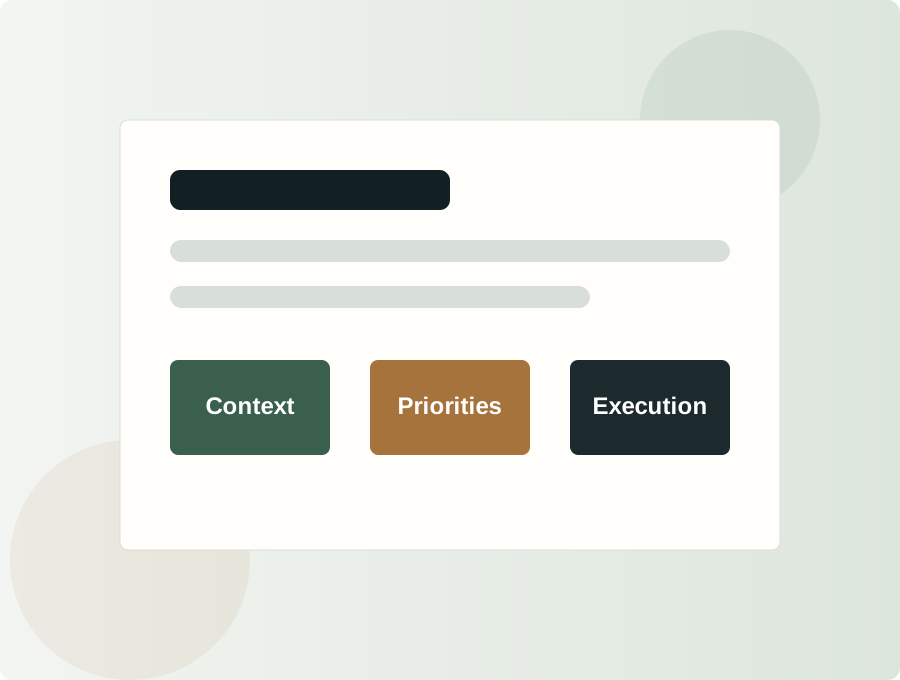
Objectives, constraints, current performance, audience, proposition, resource and growth targets.
Where growth can realistically come from, which channels matter, and what should be stopped or changed.
Hands-on delivery, team support, partner oversight or retained strategic guidance depending on the situation.
What this avoids
The aim is not to create a heavier process. It is to make the work calmer, sharper and easier to act on, especially when decisions have become blurred by too many channels, suppliers or opinions.
Existing marketing is reviewed against the business objective, not treated as something that should simply continue because it is already in motion.
Supplier, channel and budget decisions should have a clear commercial reason behind them before the business commits more time or money.
Strategy has to survive contact with the real business: resource, priorities, timing, capability and the awkward trade-offs that shape execution.
What you can expect
I work best with businesses that want senior input, constructive challenge and decisions tied to outcomes. The relationship should be direct, useful and focused on what needs to happen next.